
A cook out is easy to love and surprisingly easy to get wrong, especially when you have to pick the food, time the grilling, and keep guests safe at once. Many hosts end up with undercooked burgers, too few sides, or food left out in the heat. This guide walks you through the menu, the plan, and the food safety basics so the day runs smoothly.
What a cookout is and how it differs from a barbecue
A cookout is a casual outdoor meal where people cook food over a live fire or grill and eat together. In the United States it usually means a backyard, park, or driveway gathering built around quick-cooking foods such as hamburgers and hot dogs.
The format is relaxed. Guests often arrive without a set time to sit down, kids and adults graze, and the host cooks in batches. Most of the menu comes off the grill in minutes, and the rest is cold salads, chips, and desserts that need no oven.
Cookout vs. barbecue
The two words overlap in everyday speech, but they describe different things. Barbecue, in the strict sense, is a cooking method: large cuts like brisket, ribs, or pork shoulder cooked low and slow, often for many hours, with smoke. A cookout is an event, and the cooking style is flexible.
| Feature | Cookout | Traditional barbecue |
|---|---|---|
| What it is | A social gathering | A cooking method |
| Heat | Direct, medium to high | Indirect, low and steady |
| Typical foods | Burgers, hot dogs, chicken, corn | Brisket, ribs, pulled pork |
| Time at the grill | Minutes per batch | Several hours |
| Equipment | Charcoal grill or gas grill | Smoker or a grill set up for smoking |
A cook out can include barbecue, such as a pork shoulder smoked the day before. It does not have to. Quick grilling keeps the host at the party instead of tending a smoker all day.
How to plan a cookout step by step
Start with the guest count, because it drives your budget, menu, and equipment. A simple plan keeps a cookout relaxed for you and the people you invite.
- Set the guest count. Send invitations one to two weeks ahead and ask for RSVPs. Ask about allergies and dietary needs at the same time.
- Pick a date and a weather backup. Choose a rain date or a covered area, such as a patio, garage, or pop-up canopy. Check the forecast two days before.
- Set a budget. Multiply your guest count by a per-person food cost you are comfortable with. Prices vary by store and region, so check local grocery ads.
- Plan the menu. Choose one or two grilled mains, three or four sides, a dessert, and drinks. Pick make-ahead dishes to save time on the day.
- Check your equipment. Confirm fuel, tools, and cooler space before the day arrives.
- Shop and prep. Buy perishables one to two days ahead. Chop vegetables and mix salads the day before.
- Cook, serve, and clean up. Light the grill about 30 minutes before cooking. Set out trash bags and recycling bins so cleanup goes fast.
Equipment checklist
- Charcoal or a full propane tank, plus a lighter or matches
- Long-handled tongs, spatula, and grill brush
- Instant-read thermometer
- Coolers with ice, kept separate for drinks and raw meat
- Serving utensils, plates, napkins, and trash bags
- Tables, chairs, shade, and bug spray
Classic cookout menu ideas
A strong cook out menu pairs two or three grilled mains with cold sides, one hot side and an easy dessert. Keep the grill work simple so you can enjoy the party too.
Proven mains
- Hamburgers: Cook them on a charcoal grill or gas grill until the internal cooking temperature reaches 160°F, the USDA Food Safety and Inspection Service guideline for ground beef.
- Hot dogs: They are fast, cheap and kid-friendly. Heat them until steaming hot, and set out buns, mustard, ketchup, relish and onions.
- Chicken: Bone-in pieces or breasts need an internal temperature of 165°F. Marinate them ahead to save time at the grill.
- Sausages or bratwurst: These hold well on a cooler part of the grill while you finish other items. Pork sausage should reach 160°F.
- Veggie option: Portobello caps, corn on the cob or veggie skewers give guests who skip meat something filling.
Cookout side dishes
Choose sides you can make before guests arrive. Cold dishes need to stay chilled until serving.
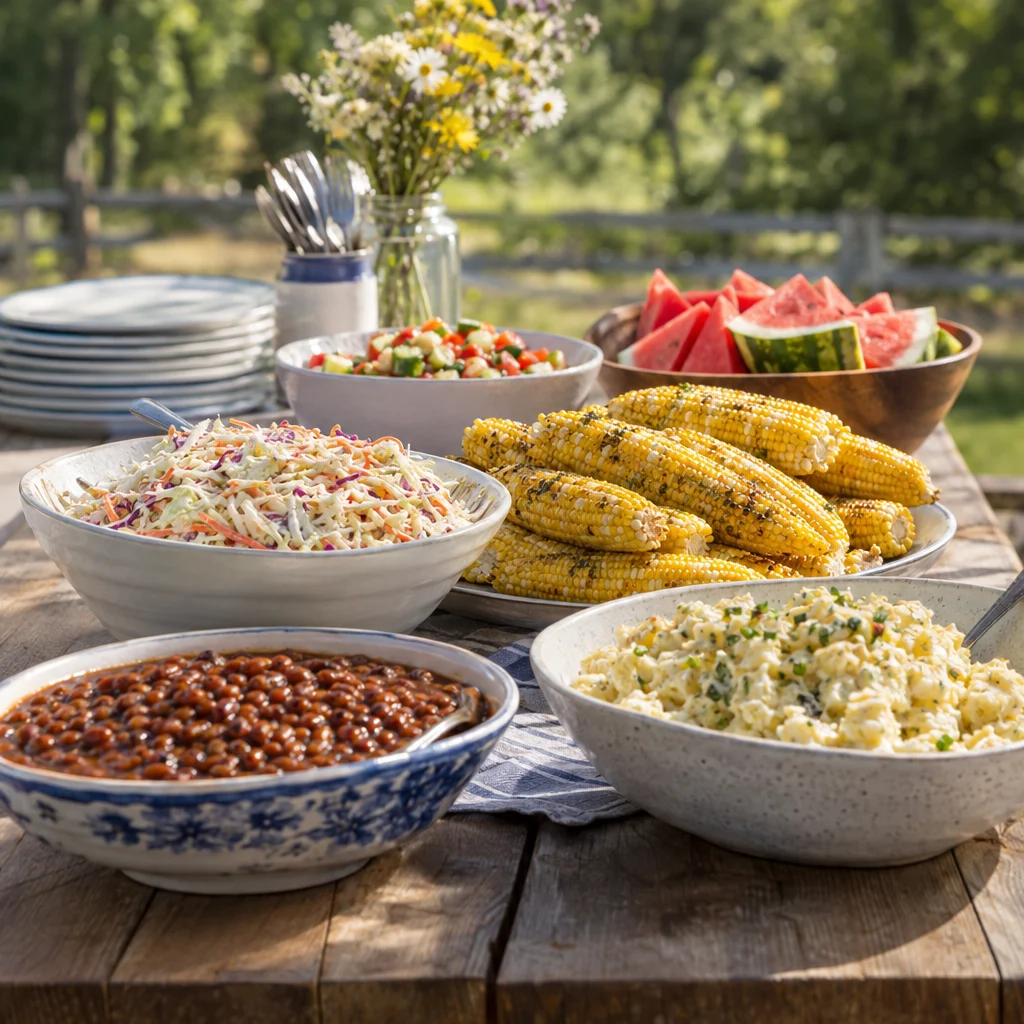
- Potato salad or macaroni salad
- Coleslaw
- Baked beans, which you can keep warm in a slow cooker
- Corn on the cob, grilled or boiled
- Watermelon slices or a simple fruit salad
- Chips with a dip, or a green salad for a lighter plate
Drinks and dessert
Lemonade, iced tea and water cover most guests. Add a cooler of soda or beer if it suits your crowd. For dessert, think handheld: brownies, cookies, ice cream sandwiches or s’mores if you have a fire pit.
Plan on one main per guest, plus a few extras, and confirm portion needs against your guest list and appetites.
Key Takeaways
- A cook out is a casual outdoor meal built around quick grilling, while a barbecue usually means slow cooking at low heat.
- Plan in order: guest count, date and weather backup, menu, grill and fuel, then a prep timeline.
- Keep the menu simple: hamburgers, hot dogs, one or two sides, a salad, and a cold drink station.
- Use a food thermometer. Cook ground beef to 160°F and poultry to 165°F, as the USDA Food Safety and Inspection Service advises.
- Keep cold food at 40°F or below and discard perishables left out more than two hours, or one hour when it is above 90°F.
- Charcoal grills add smoky flavor, and gas grills start fast and hold steady heat. Pick the one that fits your crowd and your time.
- Check fuel, ice, and vegetarian options before guests arrive to avoid the most common hosting mistakes.
Frequently Asked Questions About cookout
What is cook out?
A cook out is an informal outdoor meal where food is grilled over charcoal or gas heat, usually for friends or family. It centers on quick-cooking foods such as hamburgers and hot dogs, plus simple sides. It differs from a barbecue, which typically means cooking larger cuts of meat slowly at low heat.
How does cook out work?
A host picks a date, estimates the guest count, builds a menu, and sets up a charcoal or gas grill. Food is prepped ahead and cooked in batches. A thermometer confirms doneness. Sides and drinks stay chilled until serving, and guests usually help themselves buffet style.
Is cook out worth it?
For most hosts, yes. It feeds a crowd with affordable, simple food and lets guests mingle outdoors. The trade-offs are weather, grill tending, and food safety work. Costs vary with guest count and menu, so set a per-person budget first and keep the menu short to limit stress.
What should I know before trying cook out?
Know your guest count, dietary needs, grill capacity, and rain plan. Learn the safe internal cooking temperatures from the USDA Food Safety and Inspection Service, such as 160°F for ground beef and 165°F for poultry. Keep cold food at 40°F or below, and clear perishables after two hours, or one hour above 90°F.
Where can I find cook out?
You usually host one rather than find one. Good spots include a backyard, patio, or park pavilion. Check local park rules for grill permits and reservations, and review apartment or HOA rules on grills. Buy supplies at grocery stores or warehouse clubs, and confirm requirements with your city, park district, or landlord.
What are common mistakes with cook out?
Common mistakes include overcrowding the grill, guessing doneness instead of using a thermometer, cooking over flames that are too hot, and leaving food out too long. Hosts also underestimate ice, forget vegetarian options, and run short of fuel. Check your propane or charcoal supply before guests arrive.
References & Further Reading
About This Article
This guide was written with AI assistance from publicly available information. Prices, nutrition values and availability can change, so confirm important details with the official source before you decide.
Pingback: Cookout Near Me: Find Local Cookouts and BBQ Fast